

Improving Network Stability to Support Expanding Operations
Business growth often brings opportunities, but it also places greater demands on an organization's IT infrastructure. As companies open new branches, onboard more employees, or introduce digital services, the systems supporting daily operations must be able to keep up. What may have been sufficient a few years ago can quickly become a limitation when more users, applications, and transactions rely on the same network.
A stable network is no longer just about staying connected. It keeps employees productive, ensures customers receive uninterrupted service, and allows business-critical applications such as ERP, HRMS, POS, and collaboration platforms to perform as expected. When systems become unavailable, even for a short period, the impact can extend beyond lost productivity to delayed operations, missed opportunities, and reduced customer confidence.
For many organizations, maintaining this level of reliability using an on-premises server environment becomes increasingly difficult over time. Internal IT teams are responsible for monitoring hardware, performing routine maintenance, applying security updates, managing backups, and responding to unexpected issues. These responsibilities become even more challenging as the business expands, often leaving teams focused on keeping the infrastructure running instead of supporting new business initiatives.
External factors also play a role. Businesses in the Philippines regularly experience typhoons, flooding, and power interruptions that can affect offices and server rooms. Even organizations with backup equipment may still face downtime when infrastructure is housed within their own facilities. For businesses that rely heavily on continuous access to their systems, these risks highlight the importance of having infrastructure designed for resilience.

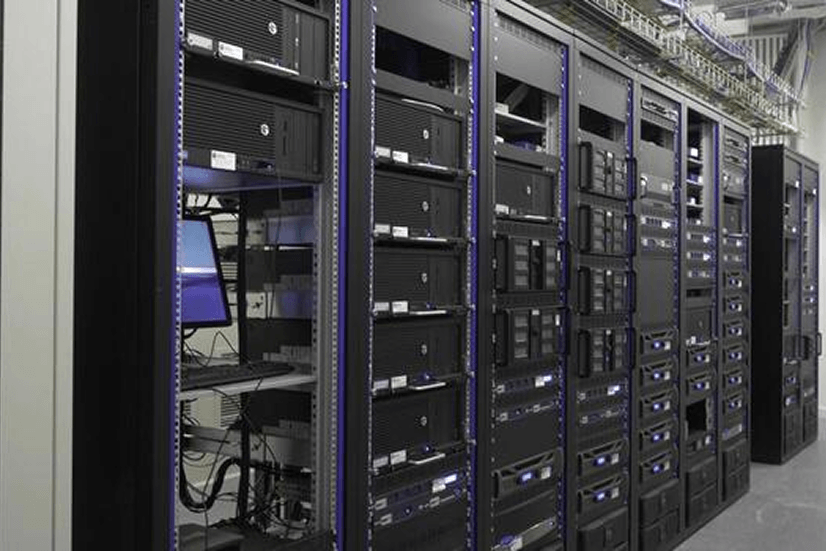
This is where colocating servers in a professionally managed data center can make a significant difference. Enterprise-grade facilities such as Vitro Data Centers are built with redundancy in mind, from power and cooling systems to network connectivity and physical security. Rather than depending on a single office location, businesses can host their critical systems in an environment specifically designed to maintain continuous operations, even during unforeseen events. This provides greater confidence that essential applications remain available when employees and customers need them most.
Moving infrastructure to a managed data center also changes the way businesses approach IT operations. Instead of spending valuable time monitoring server health, maintaining hardware, or addressing infrastructure concerns, organizations can rely on dedicated specialists who manage the physical environment and help keep systems running efficiently. Combined with cybersecurity professionals who continuously monitor and protect business workloads, companies gain access to expertise that would otherwise require significant investment to build internally.
This allows IT teams to focus on projects that directly support the business, whether that means improving customer experiences, implementing new applications, or enabling digital transformation initiatives. Rather than being occupied with routine infrastructure management, they can spend more time creating value for the organization.

Another common misconception is that enterprise-grade data centers are designed only for large corporations. In reality, managed infrastructure services have become much more accessible, giving small and medium-sized enterprises the opportunity to benefit from the same level of reliability and security without the cost of building and maintaining their own facilities. Businesses can start with resources that match their current requirements and scale as demand grows, making enterprise infrastructure a practical option rather than an unreachable investment.
Choosing the right infrastructure is ultimately about more than keeping servers online. It is about creating an environment where the business can operate with confidence regardless of changing workloads, security challenges, or unexpected disruptions. A reliable data center, supported by experienced infrastructure and cybersecurity professionals, provides organizations with the stability needed to support expansion while reducing the burden on internal teams.
As businesses continue to evolve, investing in resilient infrastructure becomes a strategic decision rather than simply a technical one. With secure cloud and managed data center solutions from Alliance, organizations can strengthen network stability, improve business continuity, and focus on what matters most: serving customers, supporting employees, and pursuing new opportunities for growth.
Are You Ready to Build a More Resilient Infrastructure for Growth?
Ultimately, investing in reliable and scalable infrastructure is an investment in your organization's future. It enables businesses to maintain operational continuity, support growing workloads, strengthen security, and empower teams to focus on innovation rather than infrastructure maintenance.
The question is no longer whether businesses need resilient infrastructure, but how long they can afford to operate without it.
Because in today's fast-moving digital landscape, growth should never be limited by downtime, performance issues, or infrastructure constraints.
With the right data center and managed infrastructure solutions in place, organizations can operate with confidence, adapt to change, and seize new opportunities for expansion.
📩 Contact us today to learn how Alliance can help strengthen your network stability and support your business growth.